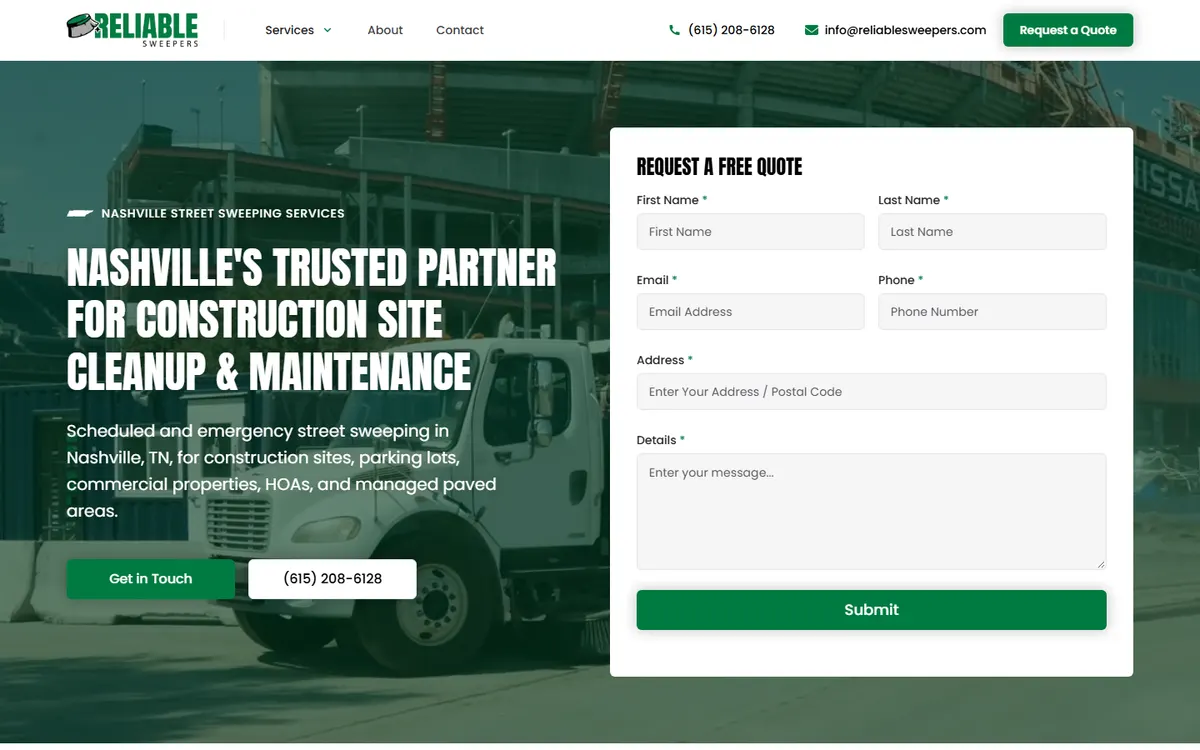
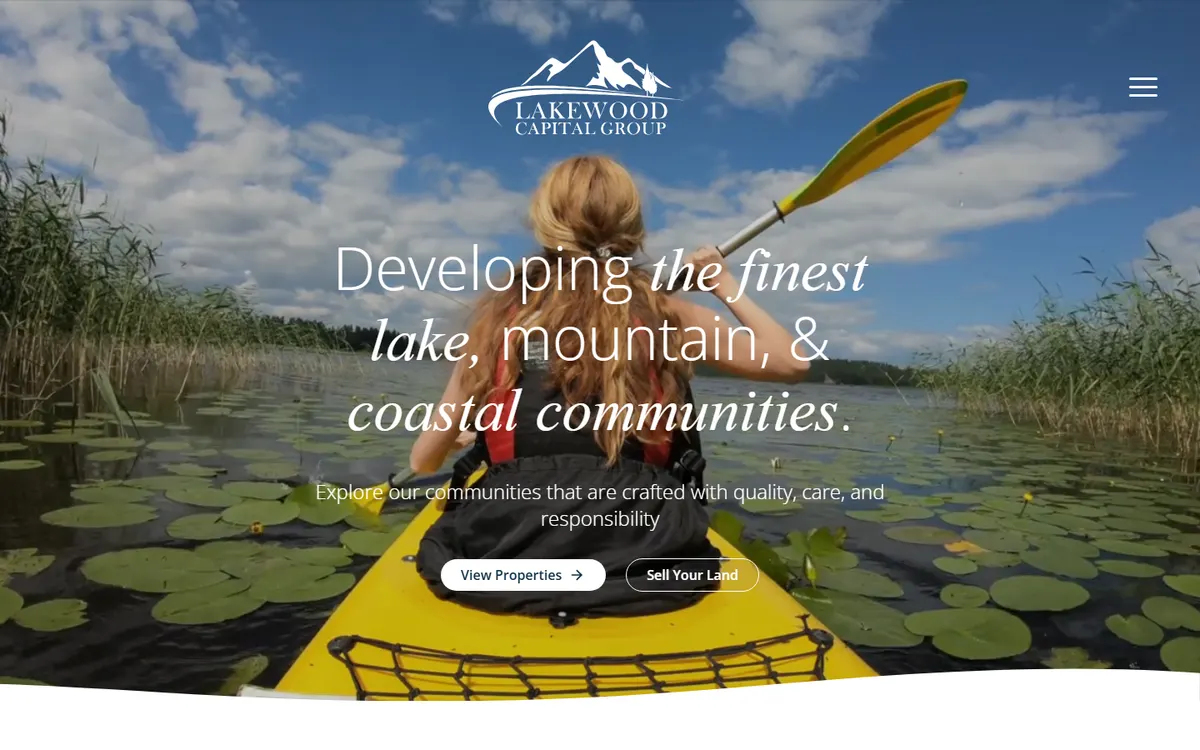
Modern web design is evolving faster than most business owners realize. Just when you think you’ve finally caught up with the latest visual trends or usability standards, a new one emerges that changes how people expect websites to look and feel. One of the most influential movements shaping the digital landscape in the past few years has been the rise of immersive, interactive web experiences. For some, this might sound like an overhyped buzzword. For others, it’s the future of how businesses communicate online. In this post, we’re going to unpack what this trend really means, how it impacts your business, and what actionable steps you can take to adapt without losing your brand voice or breaking your budget.
I want to approach this topic with empathy for business owners who may feel overwhelmed by all the noise in the web design industry. You’ve likely heard terms like “micro-interactions,” “parallax scrolling,” “3D motion,” or “WebGL effects” thrown around by developers or digital agencies. But underneath all that jargon lies a deeper truth: people don’t just want to read or view your website—they want to experience it. Understanding how to leverage this shift without overcomplicating things is where real value lies.
Why Immersive and Interactive Design Has Become the New Normal
Let’s start by breaking down what we mean by “immersive and interactive.” An immersive website draws users into a story, often through animation, personalized elements, or scroll-triggered effects. Interactivity goes beyond clicking a button—it means the site responds intelligently to user behavior in ways that feel natural and enjoyable.
Think about the difference between visiting a static brochure website versus walking through a well-designed showroom. The first simply tells you, “Here’s what we do.” The second invites you in, encourages exploration, and makes you feel part of something. That’s where the web is heading. According to data from HubSpot, interactive content generates twice the engagement as static content. That’s a significant metric for brands competing in oversaturated markets.
For example, a local Franklin, TN furniture company I worked with transformed their outdated Shopify site into a scroll-based virtual showroom built in Webflow. They didn’t change their products or their prices, just the way customers experienced their brand. Within three months of launching, session times tripled and online sales increased by 47%. People weren’t just visiting anymore—they were exploring.
The Psychology Behind It
Humans are storytelling creatures. We respond to narrative, motion, and feedback loops. When users see a button animate subtly after hovering, or when scrolling triggers an unfolding storyline, it activates a sense of curiosity and control. It mirrors our natural instinct to explore environments. This is why immersive design isn’t just about aesthetics—it’s about psychology. When we feel part of the experience, we build stronger emotional connections with the brand.
The Role of Platforms: Webflow, WordPress, Wix, and Squarespace
Each platform has its strengths and limitations when building immersive websites. As someone who has built hundreds of sites across different systems, I often describe this like choosing what type of house to renovate. Webflow is like having a blank canvas and a high-end toolset; WordPress offers more plugins but requires maintenance like an older property; Wix and Squarespace are turnkey condos—clean and easy, but less flexible when you want to knock down walls.
Let’s break this down more concretely.
Webflow for Modern Interaction
Webflow excels at combining design freedom with development precision. Its native animations and CMS features make it a powerhouse for building interactive experiences without needing heavy custom code. For businesses that want to blend storytelling and modern movement, Webflow allows designers to visually articulate interactions that used to require advanced JavaScript. I recently worked with a wellness coach who used Webflow to create a “journey-based” homepage where visitors could scroll through their emotional challenges, with animations tailored to each stage. Her conversion rates doubled following the redesign.
WordPress and the Plugin Ecosystem
WordPress remains a staple for its adaptability. It’s a platform where immersive features can shine, provided you have the right developer. Tools like Elementor and GSAP animations make it possible to incorporate dynamic movement while keeping page speed optimized. However, with great power comes maintenance—keeping plugins updated, tested, and compatible with security best practices is critical. For many small businesses, the tradeoff in flexibility versus management cost is worth considering when choosing a platform.
Wix and Squarespace’s Growing Sophistication
In recent years, Wix and Squarespace have narrowed the gap by introducing built-in animation tools and visual customization that were once exclusive to custom platforms. For local service-based businesses, such as a boutique law firm or home renovation contractor, the simplicity of these builders paired with subtle interactivity can be a winning combination. The key is restraint—using subtle movement that enhances navigation without overwhelming users.
How Immersive Design Impacts Business Results
Let’s address the practical side: how does this actually affect your bottom line? Interactive web design isn’t just about looking modern; it drives measurable results across engagement, conversion rates, and brand differentiation. According to Adobe’s design trends report, 59% of consumers say they prefer engaging, interactive websites to static ones, and those experiences lead to stronger brand recall.
Boosting Engagement and Time On Site
A Tennessee-based photography studio once came to me frustrated with their bounce rate. The photos were professional, the copy was clear, but visitors were leaving after less than thirty seconds. Instead of overhauling the site, we reimagined the homepage as a visual “film reel.” Each scroll loaded a new image with a sound snippet and caption describing the story behind it. People stayed longer, clicked more, and ultimately inquired more. Engagement metrics improved drastically, but what mattered most was that their brand felt alive again.
Conversion Through Emotional Connection
When visitors feel like they’re part of your brand’s story, they’re more likely to buy or reach out. This isn’t mere speculation—it’s behavior rooted in cognitive psychology. Interactivity triggers a micro sense of investment. By clicking, scrolling, or hovering through experiences, users feel like they’ve “earned” the information, making their decision to engage more deliberate and committed.
Consider how Airbnb’s interactive property galleries influenced the travel industry. Users could explore homes as if they were walking through them, decreasing uncertainty and increasing booking confidence. Small businesses can apply these same principles through guided tours, quizzes, or dynamic portfolios that help visitors visualize results.
Common Pitfalls in Overusing Interactivity
Not every immersive element is beneficial. I’ve seen too many businesses chase the trend by flooding their sites with animations that distract more than they delight. Interactivity works best when it serves a purpose—enhancing clarity, not complexity. When implemented poorly, it can cause accessibility issues, slow load times, and frustrate users.
Performance and Accessibility Considerations
A beautifully animated homepage is useless if it takes five seconds to load. Google Core Web Vitals penalize slow websites, directly affecting SEO rankings. Always balance visual flair with technical optimization: compress images, defer scripts, and test speed on both desktop and mobile. The team at Google Lighthouse provides free tools to measure these areas.
Accessibility is another major concern. Animations should respect users with motion sensitivities and meet WCAG guidelines. Adding an option for reduced motion or keeping transitions subtle ensures your immersive design stays inclusive. I once worked with a nonprofit that served neurodiverse users; dialing back animations not only improved accessibility but also made navigation clearer for everyone.
Avoiding Gimmicky Design
If it doesn’t serve content or navigation, it’s likely decoration at best and confusion at worst. Interactive storytelling should have a reason—whether it helps users understand your process, visualize your outcomes, or connect emotionally with your values. Avoid layering bells and whistles just because competitors do; your website should always reflect who you are, not who you think people expect you to be.
Marrying Local SEO and Interactive Design
It’s important to note that immersive design doesn’t exist in isolation. For local businesses especially, integrating interactivity with SEO efforts can lead to compound benefits. Search engines are increasingly rewarding sites that provide meaningful user experiences. When users stay longer, your engagement metrics signal to search algorithms that your website is valuable.
Interactive Elements that Support SEO
- Interactive maps that highlight service areas with clickable pins
- Quizzes or tools that help potential customers self-identify needs (e.g., “Find Your Perfect Website Package”)
- Dynamically updated content modules based on local events or customer reviews
For one Franklin restaurant I advised, we built an interactive local map on their site showing nearby attractions and partners. Visitors spent more time exploring, and those engagement signals helped their visibility in the “local pack” of Google search results. The site ranked higher and brought in an influx of visitors looking for a local experience, not just a meal.
Bridging Human Connection and Technology
One reason I call myself a “marketing therapist” is that underneath every design challenge lies a communication challenge. Businesses often want new websites because they feel disconnected from their audience—or because their image no longer matches who they’ve become. Immersive design helps bridge that emotional distance by using technology to express authenticity. It creates moments of digital empathy. For instance, a law firm might use an interactive client journey timeline to show understanding of how stressful the legal process can be. It’s not just design for design’s sake; it’s communication with care.
When clients first see their interactive website come to life, they often tell me it finally feels like their voice online. That’s the magic of immersive design done right—it’s not about adding movement, it’s about adding emotion.
Practical Steps to Start Implementing Immersive Design
If your current website feels outdated, don’t panic or assume you need to start from scratch. Incorporating immersive design is a process that can happen in stages. Here’s how I typically advise small and mid-sized businesses to start integrating interactive elements responsibly.
Start Small and Intentional
Begin by adding subtle animations to your existing pages—hover effects on buttons, images that fade in as you scroll, or testimonial sliders that build narrative rhythm. Test these with analytics to see if engagement metrics improve. You don’t need cinematic storytelling to create an immersive feel. Simple movement that mirrors user interaction adds liveliness without distraction.
Use Storytelling as the Foundation
Rather than asking “What should I animate?”, ask “What story am I telling?” Then map interactivity to support that story. A local artisan I worked with recently added an interactive step-by-step explanation of her jewelry-making process. Each scroll revealed a new layer until the final product appeared. Visitors loved it because it wasn’t a gimmick—it brought them closer to her craft.
Prototype and Test
Webflow, Figma, and Adobe XD make it easy to prototype interactive elements before committing to full development. Share these previews with trusted customers for feedback. The best design decisions often come not from experts but from real users navigating your prototype honestly.
Optimize and Iterate
Interactive sites require continuous improvement. Monitor performance metrics, watch session recordings with tools like Hotjar, and gather user feedback regularly. Consider interactivity an evolving language that grows with your business. As your audience’s preferences change, so should the rhythm of how your site communicates.
Research Insights and Future Direction
Industry research provides solid backing for this trend. Studies from Nielsen Norman Group emphasize that immersive design improves task completion rates when executed with clarity. Users engage longer and remember brands more vividly when experiences involve dynamic storytelling. However, the same studies warn that unnecessary complexity quickly backfires. The essence is balance—the perfect harmony between creativity and usability.
Looking forward, emerging technologies like AI-driven personalization and voice interactivity will integrate deeper into immersive design. Websites will increasingly adapt in real time based on user preferences, geography, or even emotional tone. Imagine a local bakery’s website changing its imagery or suggested menu depending on weather conditions in a visitor’s area. These adaptive interactions create meaningful continuity between digital presence and real-life experience.
Conclusion
The rise of immersive and interactive web design isn’t a passing fad—it’s a reflection of how we, as humans, naturally engage with the world. Businesses that embrace this approach with intention and empathy will stand out in a crowded digital marketplace. By crafting experiences that invite exploration, respond to behavior, and express genuine personality, brands become more memorable and trusted. It’s about aligning your online presence with the truth of your business identity. Whether you’re rebuilding in Webflow, updating your WordPress theme, or optimizing your local SEO, the goal should remain the same: make visitors feel something, and give them a reason to stay. Because when design moves beyond screens and into human experience, your website becomes more than a brochure—it becomes part of your story.